The Man Who Replaced Cameron Smith Didn’t Try to Be Him
What 309 NRL games taught Andrew McCullough about leadership, pressure, and high performance.
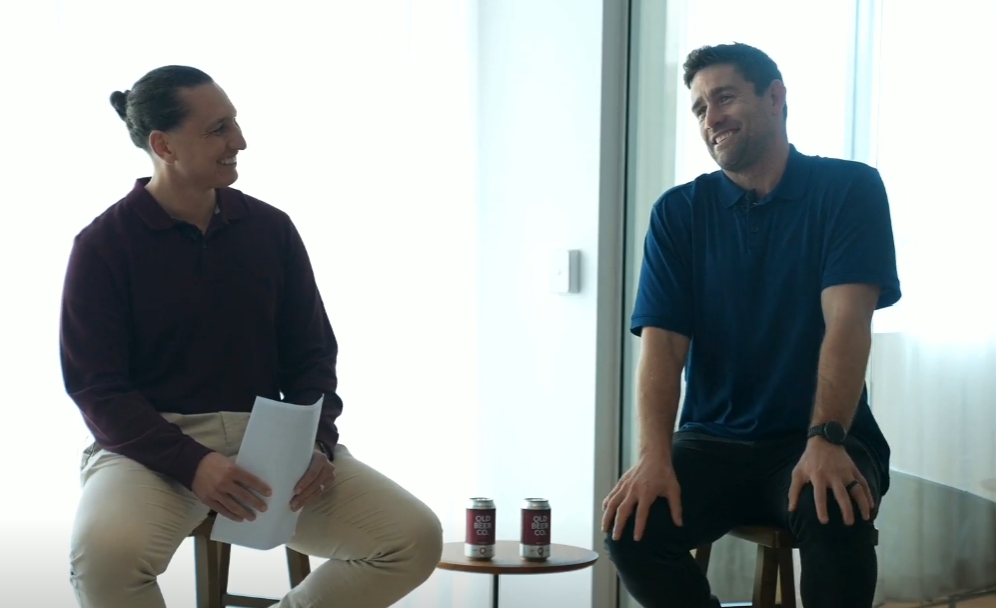
Visit the Durack Civil Instagram & Youtube Channel for the full fireside chat.
When Andrew McCullough got the call to replace Cameron Smith in State of Origin, the weight was obvious.
The media scrutiny. The comparisons. The expectation to fill the boots of one of the greatest players in NRL history.
But his approach wasn’t to change who he was and what he does. His approach was to narrow it his focus to what he brings to the table.
“I was never going to be Cameron Smith… what got me there was who I am.”
In a world obsessed with highlight reels, and big moments, the temptation is to emulate someone else, or change what works for what you think is needed.
And it applies just as much to construction sites as it does to State of Origin. When the pressure is higher, our tasks remain simple.
The Real Competitive Advantage: Doing What Others Won’t
Growing up in Dalby, McCullough didn’t come through elite systems or high-performance pathways. So he built his own.
While others trained twice a week, he made a simple observation:
“If I do the same as everyone else, I’ll be the same as everyone else.”
The difference wasn’t talent, it was the willingness to:
Get up early when no one else did
Train when he didn’t feel like it
Do the uncomfortable reps no one sees
“Put your feelings aside and get up every day and try to get better.”
One of the most powerful insights from the session:
“The hardest thing about consistency is, it’s boring.”
In elite sport, nothing revolutionary happens week-to-week. It’s repetition.
Same drills
Same routines
Same standards
What That Looks Like in Construction
We can’t expect different results by doing the same things. We need to do more than others to outperform others.
Great results on site comes from consistency, effort, and ownership. Doing those extra reps no-one else sees. That’s what compounds and makes a difference over the long run.
When pressure hits (deadlines slipping, costs blowing out, latent conditions)
The instinct is to; add complexity, introduce more controls, overreact.
High-performing teams do the opposite. They double down on fundamentals;
Programme discipline
Clear communication
Doing the basics exceptionally well
Pressure Doesn’t Break You—It Reveals You
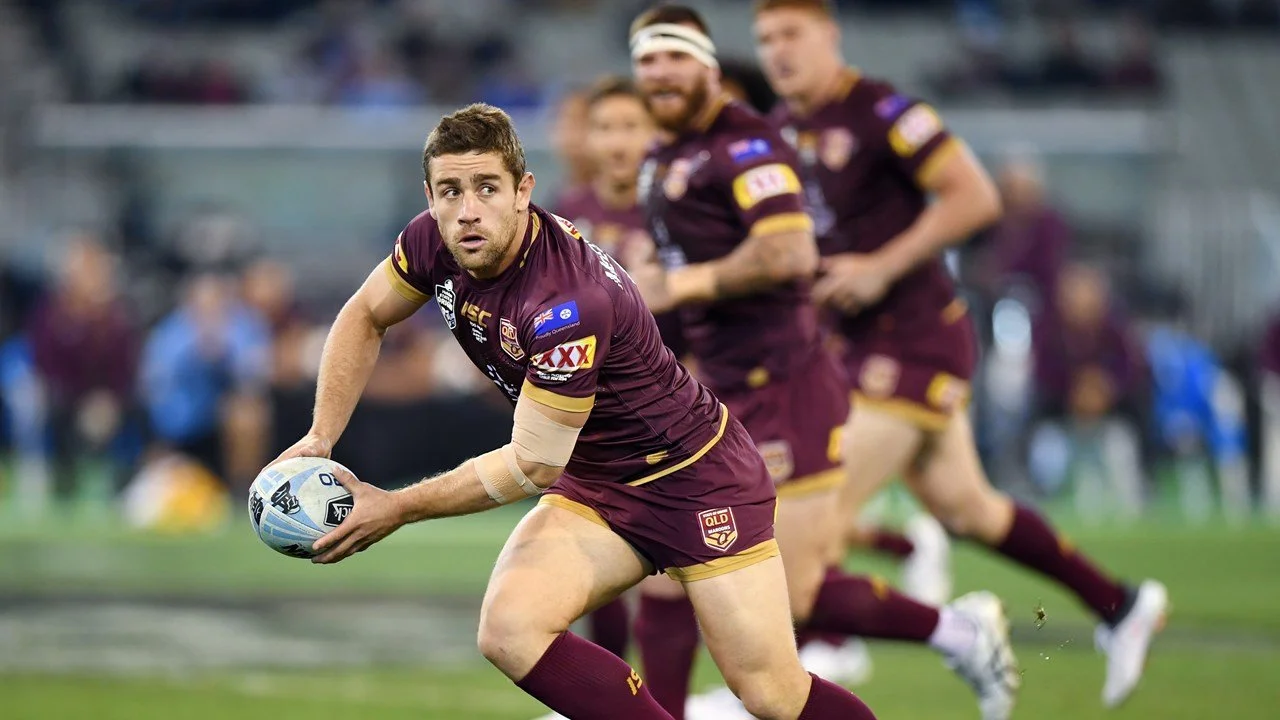
Taking over from Cameron Smith in Origin wasn’t just a step up, it was a spotlight.
But instead of trying to match expectations, McCullough focused internally:
What can I control?
What got me here?
What do I do well?
“You look at other players and wish you could be like them… but what got me there was how hard I worked.”
What That Looks Like in Construction
Pressure in construction shows up as; time constraints, commercial risks, safety incidents.
But performance doesn’t come from reacting to pressure. It comes from preparation.
Asking Andrew, “how do you perform under that sort of pressure"
“The bigger the occasion, the more basic you keep it.”
After Failure: The Discipline of Ownership
Lose a tender. Miss program. Major set-back on site.
There are plenty of failures that often occur in construction that can rock a team, and individuals alike.
But how do elite performers respond to losing a big game. Andrew was part of a devasting Grand Finals loss in 2015, and learnt that the way he and the team dealt with that loss mentally would shape how they came out of it.
“What can I do… rather than blaming someone else?”
McCullough’s approach:
Review his own actions first
Identify what he controlled
Improve habits, not excuses
The Trap Most Teams Fall Into
After setbacks:
Blame the estimator
Blame the program
Blame the client
That might protect ego, but it kills improvement. As individuals and as teams, we must put ego aside, and learn from our failures.
Resilience Is Built in Small Wins

When McCullough tore his ACL, the timeline was overwhelming.
9-12 months. So he ignored the timeline. Instead, he focused on:
Daily goals
Small progress
Recording improvements
“If you think too far ahead, it’s too long.”
This strategy and mental resilience resulted in McCullough getting back on the field in 7 months.
What That Looks Like in Construction
Break large problems into:
Daily targets
Measurable actions
Visible progress
Momentum beats motivation. Every time.
Leadership Isn’t a Title, It’s Performance
One of the clearest takeaways:
“The best leaders are the best performers.”
Not the loudest. Not the most senior. Not the most experienced.
The ones who:
Show up consistently
Deliver in their role
Set the standard
“If you’re performing well, you’ve got more authority to lead.”
What That Looks Like in Construction
The real leaders aren’t always:
The Project Manager
The Superintendent
They’re often:
Consistent operators
Reliable engineers
Supervisors who execute daily
It all comes down to leading by example.
You Don’t Need to Be Mates, You Need Respect
In remote project environments, teams work and live together.
But here’s the truth:
“You don’t have to be best mates… you just need to respect each other.”
High-performance teams are built on:
Trust
Reliability
Shared goals
The aim on projects is to build an environment where everyone can trust and respect each other. Friendships are often a positive side effect of these environments. However, it is not the goal, nor is it strictly necessary. Teammates in high-performing environments needs to have someone they trust next to them more than anything.
EngiMBA Takeaways
What This Means for Your Team
Outwork—not out-talent
Simplify under pressure
Own your performance
Build consistency daily
Lead through action
High-Performing Teams are built on Trust and Respect