Project Management 101 - The smallest change with the biggest impact
Managing major infrastructure projects is inherently complex. We deal with dozens of KPIs, multiple work fronts, diverse stakeholders, and a range of disciplinary managers—Safety, Environment, Quality—while navigating intricate staging and sequencing. It’s no wonder the famous expression rings true:
“Complexity is the enemy of execution.”
With complexity comes confusion. Confusion breeds miscommunication, which leads to inefficiencies, misunderstandings, and sometimes costly mistakes.
As project managers, supervisors, and construction professionals, our role is to bring order to chaos—to create clarity where ambiguity exists and reduce complexity wherever possible. This is no small task, and countless systems and processes exist to help manage it. You’ll find them in any Project Management 101 textbook.
But here’s the surprising part: one of the simplest and most impactful tools at your disposal is this:
Establish and enforce clear naming conventions.
It sounds obvious. Yet, it’s astonishing how often this step is overlooked.
Speaking the Same Language
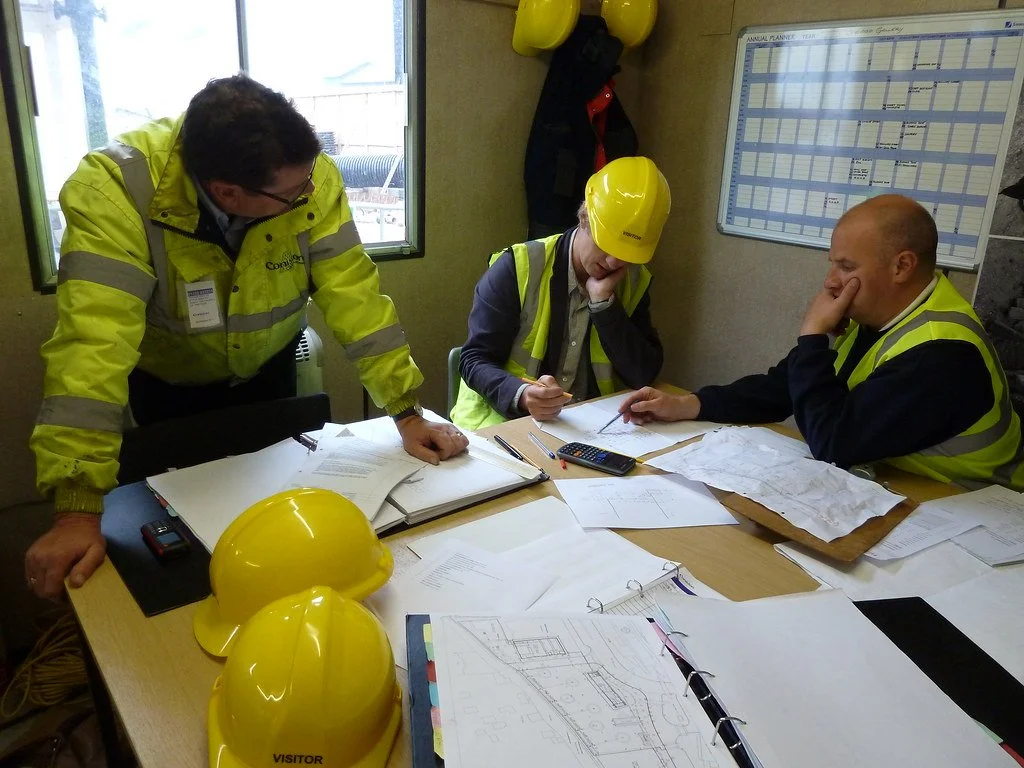
Consider this scenario: you’re in a daily site meeting. The engineer refers to “Stage 2” meaning the second stage of the traffic management plan. The supervisor uses “Stage 2” to mean Phase 2 of the program. At best, you waste time clarifying. At worst, you end up with costly errors and coordination failures.
The solution? Define naming conventions early—and stick to them.
It doesn’t matter what the system is, as long as it’s clear, consistent, and communicated across the entire project team.
For example:
Stage 1, 2, 3 → Traffic staging
Area A, B, C → Geographical zones
Phase 1, 2 → Major phases of the construction program
So when someone says, “Stage 2 in Area A during Phase 1,” there’s no ambiguity.
Another example: on a cut-to-fill project, sequentially naming cuts and fills creates simplicity from the office to the field.
Cut 1
Fill 2
Cut 3
Fill 4
Simple, but powerful.
Why Is It So Rarely Done?
If naming conventions are so obvious, why are they so often neglected?
Because people naturally create their own systems to simplify things in their heads—or within their immediate team. But infrastructure projects involve large, multi-disciplinary teams spread across companies and locations. Allowing everyone to invent their own naming conventions is a recipe for chaos.
A successful project manager doesn’t just create a naming convention—they enforce it.
Enforcement Is Key
This is where many project managers stumble. Correcting someone in a meeting for saying “Phase 1” instead of “Stage 1” might feel pedantic. You’ll hear frustrated replies like, “You know what I mean.” It’s tempting to let it slide.
Don’t.
Push through the discomfort. Be consistent. Create maps and diagrams. Include it in the project specific induction. Because a little persistence early on pays off massively later—when your entire project team speaks the same language and costly mistakes are avoided.
Bottom line: Naming conventions aren’t semantics. They’re a foundation for clarity, coordination, and efficiency. In a world where complexity threatens execution, this simple discipline can save time, money, and headaches. It’s honestly the easiest thing you can do with the biggest impact on the project. As Project Manager, you are the one who needs to do it.
Read on:
To understand about how to dial in your leadership style as a Project Manager to suit the particular nature of Project Management, read this research-based article: What Style of Leadership Works Best in Project Management — EngiMBA