The Art of the Seal: Engineering Bitumen Road Sealing
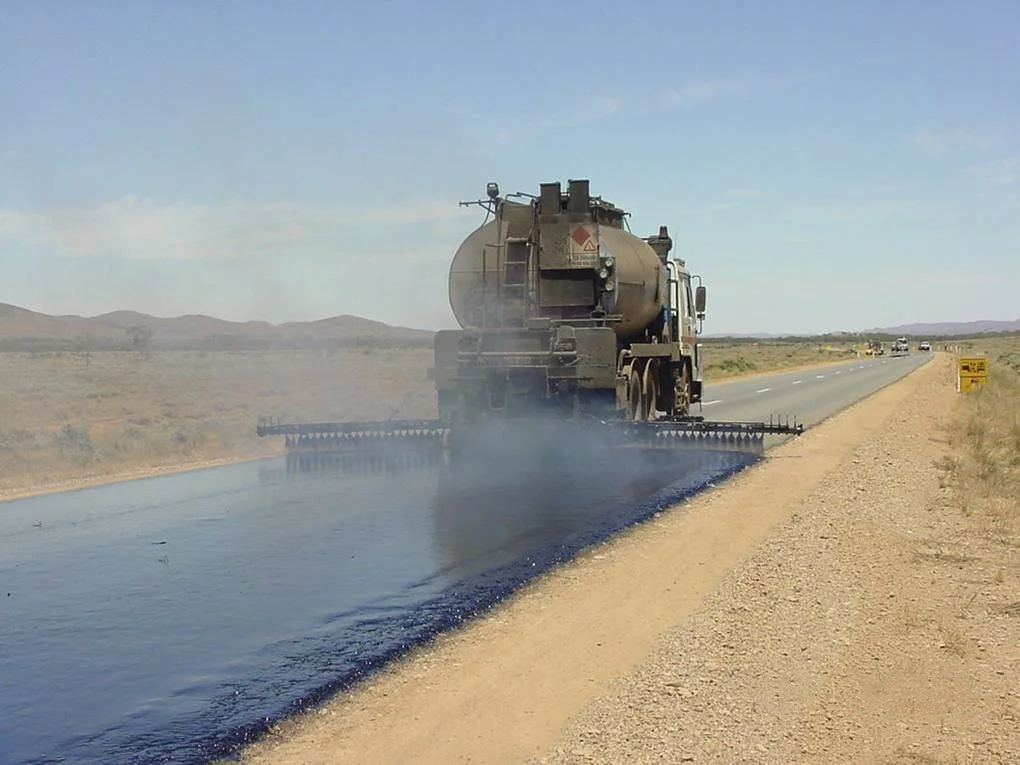
In the world of construction engineering, the process of bitumen road sealing is both an art and a science. It requires a delicate balance between technical specifications and practical application. This article provides practical insights into road sealing aimed at Construction Engineers.
As a Site/Project Engineer, what do you need to know, and what do you need to look out for?
Seal Design Parameters
The contract will often dictate whether the seal design is the responsibility of the Contractor (you) or the Client. More often than not, it is the responsibility of the Contractor, as is the warranty of the finished product. This is generally the case because the Seal Subcontractors typically have the most knowledge of the seal and the local conditions impacting the seal’s effectiveness.
Seal designs typically consider many paramters. The critical ones are:
Volume of Traffic: The anticipated amount of traffic, particularly the daily traffic volume, plays a significant role in determining the type and thickness of the seal.
Percentage of Heavy Vehicles: Heavy vehicles exert more stress on the road surface, necessitating a more robust seal design.
Turning Traffic vs Straight Traffic: Areas with turning traffic, such as intersections, require different considerations compared to straight roads due to the additional lateral forces applied.
Climate: Hot climates often require rubber in the bitumen solution to prevent the bitumen bleeding (melting) on particularly hot days.
Hardness of pavement: The softer the gravel underneath, the more the seal aggregate (stones) will embed into the gravel. Thus, the less of the aggregate that will protrude. Thus, the less the ‘grip’ on the finished surface. This is measured by a Bal Penetrometer test or simply Ball Pen.
Contractor Considerations
For contractors, the focus shifts slightly to aspects such as:
Constructability: The ease with which the seal can be applied, taking into account the local environment and available resources.
Program: The scheduling and timing of the sealing operation, which is crucial for minimizing disruptions and ensuring the longevity of the seal.
Primerseal vs Prime & Seal
Two common methods in sealing are Primerseal and Prime & Seal:
Primerseal: A single application that combines the primer and binder, often used for lightly trafficked roads. (Note that this is now referred to as initial seal in the specifications, but still widely known as primerseal).
Prime & Seal: A two-step process where the primer is applied first, followed by the binder, suitable for roads with higher traffic volumes.
Collaboration with Seal Providers
Working closely with seal providers is essential. They can offer valuable insights into the best products and techniques for a given project.
Ball Pens and Quarry Stockpiles
Ball Pens: These are checks to ensure the aggregate embedment is correct, which is vital for the seal’s performance. check the spec. The more time the gravel has to dry back, the better the ball pen results.
Quarry Stockpiles: Supervisors should inspect the quarry stockpiles early to ensure the aggregate meets the required specifications. The stockpile results will measure the Average Least Dimension (ALD). For seals, this is the most important dimension, as the stones will lie down. So the “least dimension” is the one that will most relate to stone protrusion.
Programming the Seal
Timing is everything:

Dry Back and Ball Pens: Allow sufficient time for the pavement to dry back properly before conducting ball pen tests.
Scheduling: If scheduled too late, any delays become part of the project’s timeline. If too early, it could lead to a significant waste of resources, potentially around $30,000.
Execution on the Day
Moisture Levels: The road surface should be neither too wet nor too dry before sealing.
The Broom: A clean sweep is necessary to ensure no debris affects the seal’s adhesion.
Road Furniture: Care must be taken to protect adjacent infrastructure from the sealant, as it can be messy. (rubber crumb seals are particularly known for leaving a messy on road furniture. Save yourself the headache and use cling wrap to protect your road furniture before you seal).
Key Take-aways for Site Engineers
“painting the road black” is a great milestone and feeling of accomplishment. Make sure you are prepared leading into the day to ensure its a success. Collaborate with your seal subbie to get the design right. Collaborate with your Foreman to make sure the pavement is ready for the day you are booked in.